Mount Kilimanjaro
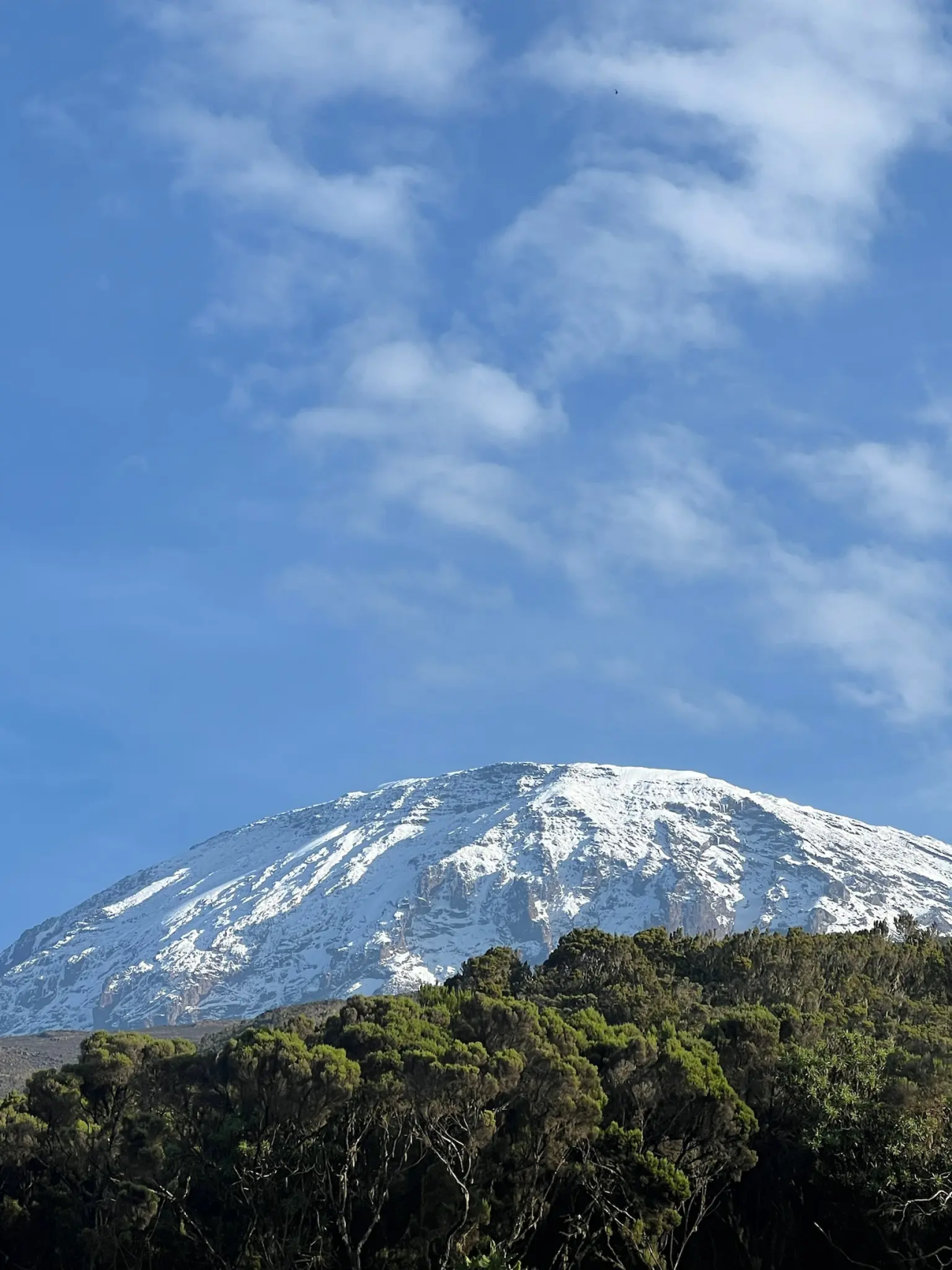
Rising to 5,895 meters (19,341 feet), Mount Kilimanjaro is Africa’s highest peak and the tallest free-standing mountain in the world. Located in northern Tanzania near the Kenya border, it attracts thousands of trekkers every year. Kilimanjaro is considered a bucket-list journey for many adventure seekers.
Despite its height, Kilimanjaro is a non-technical climb, no ropes or climbing experience needed. As such, conquering this mountain through a guided climb is achievable for fit individuals with determination. Just preparation, determination, and a certified local guide open the door to successfully reaching the summit.
Kilimanjaro’s Climate Zones
Climbing this majestic mountain is like walking from the equator to the Arctic in just a few days. For trekkers attempting Kilimanjaro, the peak features five distinct ecological zones, each with its own atmosphere, making a journey on Mount Kilimanjaro truly unique:
- Cultivated Zone – Lush farmlands and Chagga villages at the mountain’s base. Bananas, coffee, and maize are grown in fertile volcanic soil, all at the foot of Mount Kilimanjaro.
- Rainforest Zone – Dense jungle filled with moss-covered trees, birds, and playful blue monkeys. This misty area is vibrant and humid. The rainforest experience is an early highlight for visitors trekking Kilimanjaro.
- Heather & Moorland Zone – Open moorlands with volcanic rocks, giant heathers, and unique plants like lobelias and senecios. These fascinating sights await you as you move further up Mount Kilimanjaro.
- Alpine Desert Zone – Harsh, dry, and dramatic. Life becomes sparse as you hike through rocky terrain and volcanic ash while ascending this part of Kilimanjaro, inching closer to the summit of Mount Kilimanjaro.
- Arctic Summit Zone – The glacier-capped summit zone, icy, windblown, and breathtaking. Oxygen is thin, but the reward is unforgettable views from Uhuru Peak, the highest point of Mount Kilimanjaro.
Routes to the Summit
Each Kilimanjaro route has a unique character. In fact, choosing a route depends on several factors for your trek up Mount Kilimanjaro. Here’s a quick guide:
- Machame Route – 6–7 days. Known as the “Whiskey Route.” Popular for its scenic beauty and good acclimatisation profile, and an excellent way to experience Mount Kilimanjaro.
- Lemosho Route – 7–8 days. Remote and scenic. Less crowded, with excellent acclimatisation and wildlife sightings for those hiking on Mount Kilimanjaro.
- Marangu Route – 5–6 days. The “Coca-Cola Route.” Offers hut accommodations instead of tents. Easier terrain but less time to acclimatise, but regardless, it’s a well-known Mount Kilimanjaro route.
- Rongai Route – 6–7 days. Approaches from the north. Drier and quieter—ideal during the rainy season, and a less traveled path on Mount Kilimanjaro.
- Northern Circuit – 8–9 days. The longest and most gradual route. Offers sweeping views and the highest summit success rates. Many consider the Northern Circuit their favorite way to explore Mount Kilimanjaro.
Choosing Your Route
The right route depends on your fitness level, desired length of trek, and preference for crowds or solitude. Looking forward, an unforgettable adventure awaits those seeking achievement and spectacular vistas. All treks are led by licensed, experienced guides and support crews, ensuring a safe, memorable adventure.